November 14, 2026
How to Safely Wash Grid-Tied Solar Panels on High Roofs
By @connercyxd963
Grid-tied solar panels are one of the most practical forms of clean energy technology available to Logan homeowners and businesses. They convert sunlight into usable power and feed surplus electricity back into the utility network. Like any outdoor equipment, they collect dust, pollen, bird droppings, ash, and mineral deposits that reduce output. Washing them is a worthwhile maintenance task, but on a high roof it carries real risks for people, for the panels, and for the electrical system. This guide explains how to approach the job safely, when to leave it to professionals, and how panel cleaning fits into overall home exterior protection.
Why Cleaning Grid-Tied Solar Panels Matters
Solar panels perform best when sunlight reaches the cells without obstruction. A film of dirt or a patch of debris https://cristianodsf569.cavandoragh.org/a-homeowner-guide-to-gutter-downspout-repair-techniques can lower electrical energy conversion, and the loss is not always evenly distributed. Partial shading from a single dirty spot can reduce the output of an entire string of panels. For grid-tied systems, lower production means less energy exported to the utility and a smaller credit on your bill.
Logan's climate brings seasonal dust, spring pollen, autumn leaf debris, and winter road grit carried by wind. Roofs near trees or open fields tend to collect more. Regular cleaning supports energy efficiency solutions by keeping the system close to its rated performance, and it helps you spot cracked glass, loose wiring, or nesting animals early.
Understand How a Grid-Tied System Works Before Washing
A grid-tied system is connected to the public electrical grid through an inverter. Unlike off-grid setups, it usually has no battery bank, and it shuts down automatically when the grid goes offline. During daylight, however, the panels are always producing voltage. That has several practical implications for washing:
- Panels are live whenever light hits them. Damaged wiring or connectors can pose a shock risk even when the system seems idle.
- Water and electricity require caution. Quality panels are sealed and rated for rain, but damaged junction boxes, frayed cables, or loose connectors should never be sprayed.
- Do not turn off equipment improperly. Follow the manufacturer's shutdown procedure for the inverter and the rapid shutdown switch, if you choose to power down the system before cleaning.
- Inspect first. Look for cracked glass, exposed conductors, or displaced racking before any water is applied.
Check your system documentation or installer guidelines before cleaning. Most manufacturers publish cleaning requirements that affect warranty coverage, including approved water types, maximum pressure, and prohibited chemicals.

Roof Safety Comes First
The greatest danger in washing solar panels on a high roof is not electrical. It is falling. Wet glass is extremely slippery, and panels often cover the very sections of roof where you would plant your feet. Falls from roofs remain a leading cause of serious injury in residential maintenance work, and Logan's pitched roofs, frequent morning frost, and shifting weather add to the hazard.
Fall Protection Essentials
If anyone must access a high roof, use proper fall protection rather than relying on balance or caution. This includes a correctly fitted harness, a rated lifeline, and a secure anchor point attached to the structure rather than to the panels or racking. Roof anchors should be installed by qualified people. Non-slip footwear with soft soles helps, but it does not replace a harness. Never work alone, and never work on a wet, frosty, or windy day.
Consider Cleaning From the Ground
For many homes, the safest method is to avoid climbing altogether. Water-fed poles with soft brush heads can reach panels on many single-story and some two-story roofs from the ground. Extended reach systems use purified water and a soft brush, so no detergent is required. Where the roof is too high or too steep for a pole, a professional with the right equipment is the better option.
Choosing the Right Time and Conditions
Timing affects both safety and results. Clean panels early in the morning, late in the afternoon, or on an overcast day. Panels heated by midday sun can suffer thermal stress if cold water hits them, and cleaning solution evaporates too fast, leaving streaks. Cooler conditions also reduce the risk of the cleaner drying on the glass.
Avoid cleaning in strong wind, thunderstorms, or freezing conditions. Ice can form on the roof surface or inside gutters and downspouts, and wet metal flashing is slippery. In Logan, that often rules out cleaning during parts of winter, though snow and ice melt naturally helps clear some panels as temperatures rise.
Safe Washing Methods and Equipment
A gentle approach protects the anti-reflective coating on the glass. Abrasive tools or harsh chemicals can scratch it and permanently reduce efficiency.
- Inspect the array. Look for damage, loose components, wasp nests, or standing debris. Do not clean damaged equipment. Call a solar technician instead.
- Remove loose debris. Use a soft brush or leaf blower to clear leaves, twigs, and dry dirt before applying water.
- Rinse with low-pressure water. Use a garden hose with a gentle setting. Avoid pressure washers, which can force water past seals and damage the glass or frames.
- Use deionized or soft water where possible. Hard water leaves mineral spots that build up over time. Purified water dries clean without residue.
- Apply mild, non-abrasive cleaner only if needed. Choose a biodegradable, pH-neutral product approved by the panel manufacturer. Eco-friendly roof cleaning practices protect landscaping, gutters, and runoff.
- Wipe gently with a soft sponge or microfiber head. Work from the top edge down, and do not scrub hard on stubborn spots.
- Rinse thoroughly and let air dry. Avoid towels or squeegees that could scratch the surface unless they are designed for solar glass.
What to Avoid
Do not use abrasive pads, steel wool, harsh solvents, or high-pressure water. Do not walk on the panels. Do not spray cold water on hot glass. Do not use ladders leaned directly against the panel frames. Each of these can cause damage that may void a warranty.
Protecting the Rest of the Roof and Drainage System
Solar panels do not exist in isolation. Water, dirt, and debris washed off the array flows to the roof edge and into the gutter system. Before cleaning, check that the gutters are clear, because clogged channels can overflow and push water against fascia boards and foundations. Good gutter maintenance and routine gutter cleaning keep wash water moving through downspouts and away from the building, supporting exterior water management and exterior moisture control.
Many solar homes also benefit from gutter protection, such as gutter guard installation, particularly when panels shed snow and debris in clusters. Sliding snow and wash water can strain older gutters, so damaged sections may need gutter repair, aluminum gutter repair, or gutter downspout repair. When systems are worn beyond fixing, gutter replacement or new gutter installation with the right capacity helps manage the extra runoff concentrated by panel surfaces. Properly designed comprehensive drainage solutions and foundation water diversion protect the building envelope from moisture damage, which is a key part of building envelope protection.

Roof Materials and Cleaning Considerations
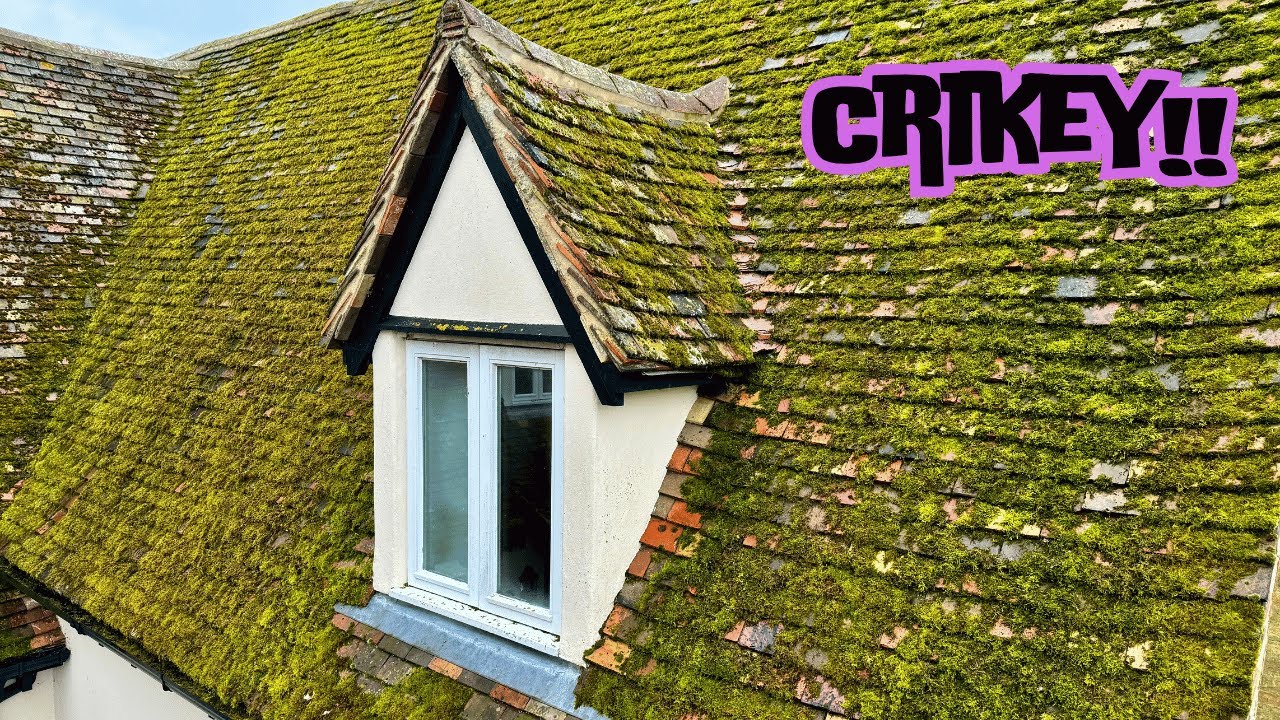
The roof beneath and around the panels may need attention too. Moss, lichen, and algae growth can spread to the array edges and trap moisture. Cleaning methods differ by roof type. Metal roofing, including Colorbond roofing, requires gentle techniques to avoid damaging coatings. Asphalt shingles can lose granules if they are blasted with high pressure. Professional exterior roof washing uses low-pressure, soft-wash techniques suited to each material.
For homes with solar, comprehensive roof cleaning is usually best handled as a coordinated service, ensuring the panels, flashing, and surrounding roof surfaces are treated without cross-contamination from cleaning chemicals. Certified roof cleaning providers understand which products are safe around solar equipment and which are not.
Commercial Solar Panels and Larger Arrays
Commercial solar panels on flat or low-slope roofs introduce different challenges. Large arrays have more wiring, more rooftop equipment, and often have multiple access points that are not designed for foot traffic. Commercial roof cleaning near solar arrays requires site-specific planning, including fall protection systems, controlled water use, and documentation of the cleaning process for warranty and insurance purposes. Facility managers should coordinate with their solar installer and commercial gutter services provider so that roof drainage, drains, and scuppers stay clear during and after cleaning.
When to Hire a Professional
Hiring a professional is the safer choice in several situations:
- The roof is steep, multi-story, or has no existing anchor points.
- The panels are out of reach from the ground and require rooftop access.
- There is visible damage to panels, wiring, or mounting hardware.
- The system is under warranty with specific cleaning requirements.
- The property is commercial, with a large or complex array.
Expert solar panel services and expert roof cleaning teams carry the training, insurance, and equipment needed to work at height. Look for providers who can show proof of liability insurance, fall protection training, and experience with solar equipment. Advanced solar services and advanced roof cleaning providers often use purified water systems and soft-wash methods designed to protect the glass and the roof together.
How Often Should Panels Be Cleaned?
Frequency depends on location and environment. In many Logan neighborhoods, one or two cleanings per year is enough, typically in spring after pollen and winter grit, and in autumn after summer dust. Properties near agricultural land, unpaved roads, or heavy tree cover may need more. Monitor your system's production data through your inverter app or online portal. A noticeable, sustained drop in output compared with similar weather conditions from earlier months can indicate that cleaning is due.
Rain helps, but it rarely removes everything. Light showers can leave mud streaks, and low-tilt panels hold dirt along the bottom edge. Combining solar maintenance with seasonal roof and gutter checks is efficient and reduces the number of times anyone needs to access the roof.
Building a Complete Exterior Maintenance Plan
The most effective approach treats solar panels, roofing, gutters, and drainage as one connected system. Comprehensive solar solutions and comprehensive energy solutions work best when the roof structure, water management, and building envelope remain in good condition. Where repairs or upgrades are needed, custom solar solutions, custom metal fabrication, and expert gutter installation can be tailored to the roof's layout. Options such as copper gutter installation, custom metal engineering, and precision CNC metal cutting for flashing and trim support durability and a clean appearance, while comprehensive metal services keep roofing details consistent with the solar installation.
As advanced solar technology and green energy technology continue to develop in 2026 and into 2027 and beyond, panels are becoming more efficient and more widely adopted as alternative energy sources. Maintenance practices are evolving as well, with more manufacturers publishing detailed cleaning guidelines and more homeowners relying on monitoring tools to decide when service is needed.
Key Takeaways
Washing grid-tied solar panels on high roofs is a job where safety outweighs speed. Treat the panels as live equipment, use gentle low-pressure methods, avoid abrasive tools and harsh chemicals, and clean in cool, calm conditions. Protect the people doing the work with proper fall protection, or choose ground-based cleaning or a qualified professional when the roof is too high or too steep. Keep gutters, downspouts, and drainage in good condition so wash water and runoff move away from the home. With a thoughtful approach, solar owners in Logan can maintain strong system performance, extend equipment life, and protect the home exterior for years to come.
Logan Roof Cleaning Pros
Unit 8 13/15 Ellerslie Rd, Meadowbrook QLD 4131, Australia
(07) 4803 1388
❧